
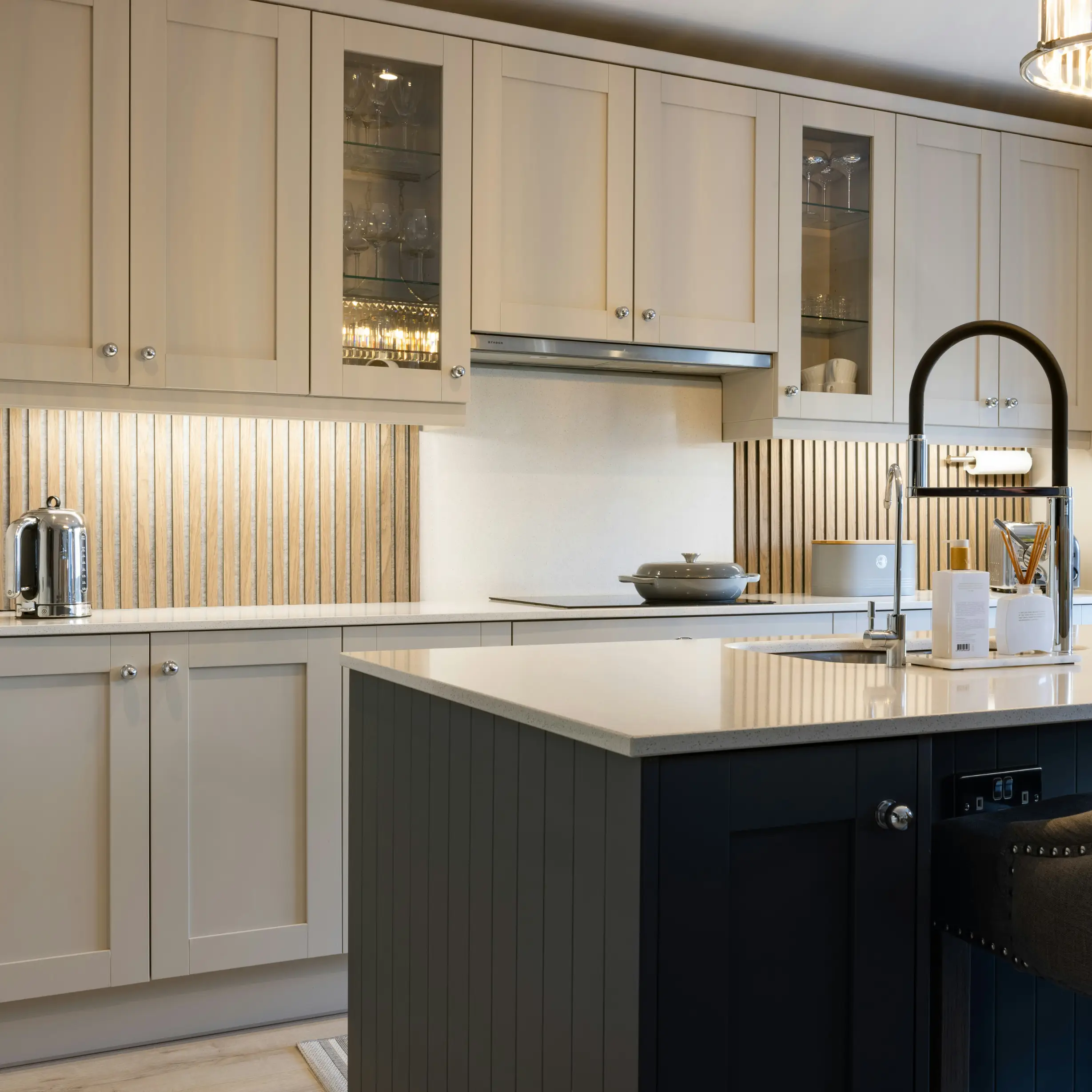
Cabinet Refacing & Refinishing in Brownsville, TX
Replacing worn or outdated cabinet doors does not always require a full kitchen tear-out. Refacing and professional refinishing utilize existing structural boxes while upgrading exterior surfaces with durable, moisture-curing finishes and modern door styles.
Keep solid structural boxes while replacing worn fronts
Moisture-curing conversion varnishes applied via industrial spray
Custom Shaker door upgrades and heavy-duty hardware
Quick Facts: Serving Rancho Viejo, South Padre Island, Harlingen, Los Fresnos, Olmito, Port Isabel, San Benito, Cameron Park, and Brownsville. Call (956) 692-1552 or submit a form online for a free quote.
Request a Cabinet Refacing Quote
Complete the form below to receive your project estimate.
The Situation: Worn Exteriors on Solid Bones
In many Cameron County kitchens, the cabinet frames are still structurally sound, but the exterior finish has failed. Daily exposure to cooking grease, cleaning chemicals, and South Texas coastal humidity causes factory clear coats to yellow, crack, or peel. Around the sink base and dishwasher, water damage often degrades the finish on the drawer fronts and doors. Hinges become loose in stripped screw holes, doors stop closing flush against the face frames, and outdated arched panels make the room feel heavy and dark.
When the internal 3/4-inch plywood boxes and structural framing remain solid, ripping them out to install entirely new cabinetry introduces unnecessary demolition, drywall repair, and countertop replacement. A full tear-out disrupts the plumbing and electrical systems, heavily expanding the project scope.
Instead of discarding functional cabinet boxes, a practical solution focuses exclusively on the exterior surfaces. By replacing the deteriorating doors and drawer fronts with new, modern equivalents—and professionally resurfacing the existing face frames to match—the visual and mechanical function of the kitchen is completely updated. This process stabilizes the existing storage layout while eliminating the sticky surfaces, failing hardware, and degraded finishes that make the kitchen difficult to use and maintain.
How a Cabinet Project Works
Step 1: Layout Assessment and Door Measurement
A professional measures every existing door and drawer front down to the millimeter. The layout is mapped to ensure new hinges will clear adjacent appliances and corner cabinets. If a homeowner opts for Shaker door upgrades or full-overlay styling, the new measurements are calculated to minimize the visible gaps between doors, creating a continuous, updated look across the entire cabinet run.
Step 2: Masking and Surface Preparation
Because the existing boxes stay in place, the kitchen must be heavily masked. Floors, countertops, appliances, and backsplashes are covered with heavy-duty builder's paper and plastic sheeting. A negative air setup is often established to pull dust out of the home. The old doors and hardware are removed, and the remaining face frames are heavily degreased, sanded raw, and patched to create a smooth, porous surface ready to accept a new coating system.
Step 3: Box Resurfacing and Door Fabrication
The existing face frames receive a high-adhesion bonding primer, followed by multiple coats of industrial spray finish. Simultaneously, the new custom doors and drawer fronts are fabricated off-site. These new components are painted or stained in a controlled spray booth environment using moisture-curing conversion varnishes, ensuring the fronts cure into a hard, chemical-resistant shell capable of withstanding heavy daily use and local coastal humidity.
Step 4: Installation and Final Adjustments
Once the newly finished doors arrive and the on-site box frames are dry, the reassembly begins. The new doors are hung using heavy-duty, soft-close concealed hinges. Drawer tracks are upgraded if requested, and new handles or pulls are drilled and mounted. The hinges are meticulously adjusted via set screws so that all doors sit perfectly level and all vertical lines are parallel.
Ready to Update Your Kitchen?
Call (956) 692-1552 to request a refacing quote or upload current kitchen photos via the web form.
What This Service Typically Covers
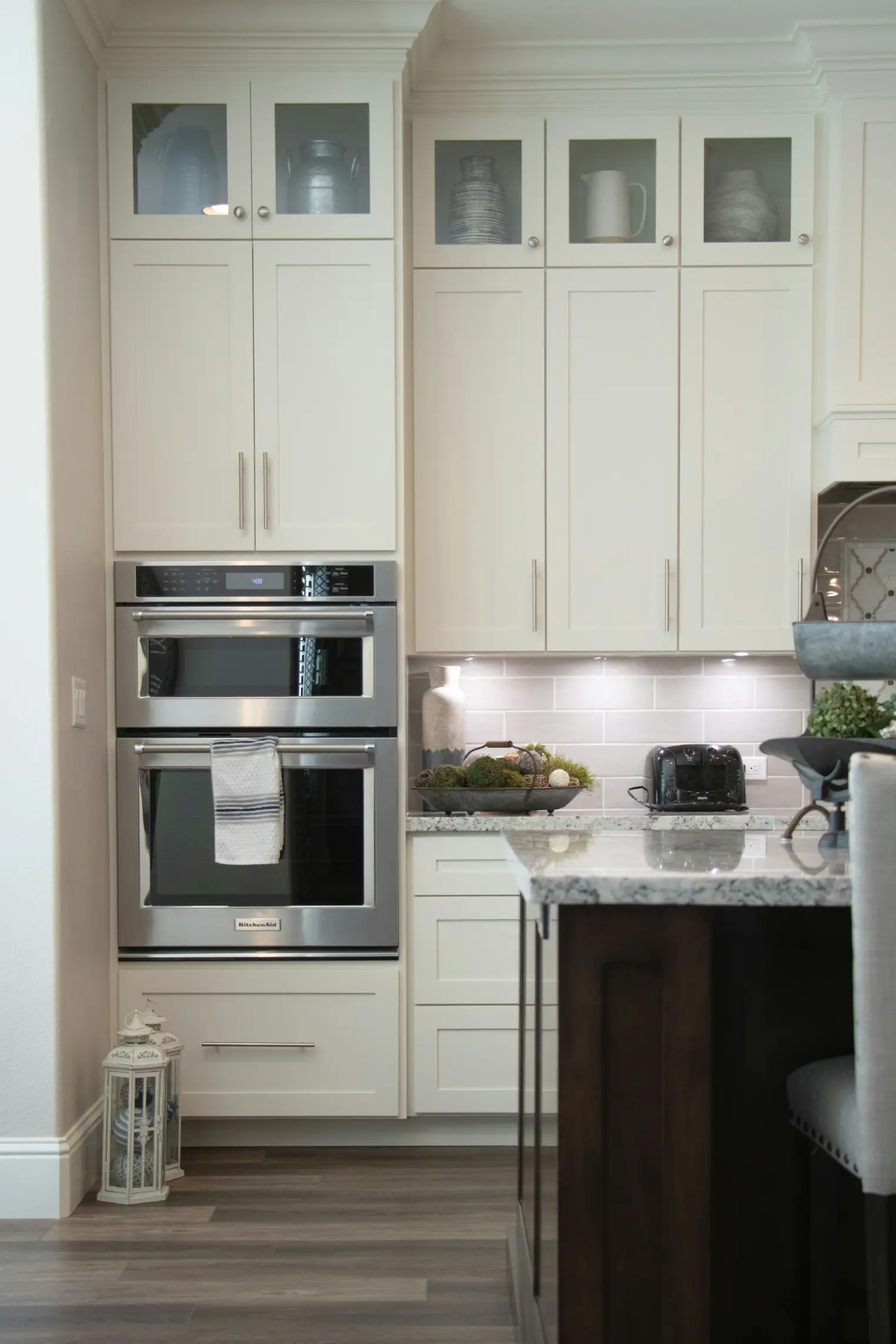
Cabinet Door and Drawer Front Replacement
The core of a refacing project involves removing and discarding the old exterior elements. Outdated or damaged panels are replaced with brand-new solid wood or rigid high-density fiberboard (HDF) fronts. HDF is highly stable and resists warping in humid Brownsville neighborhoods, making it an excellent substrate for painted finishes. New fronts are sized exactly to match the existing cabinet openings, often configured for a more modern, full-overlay appearance.
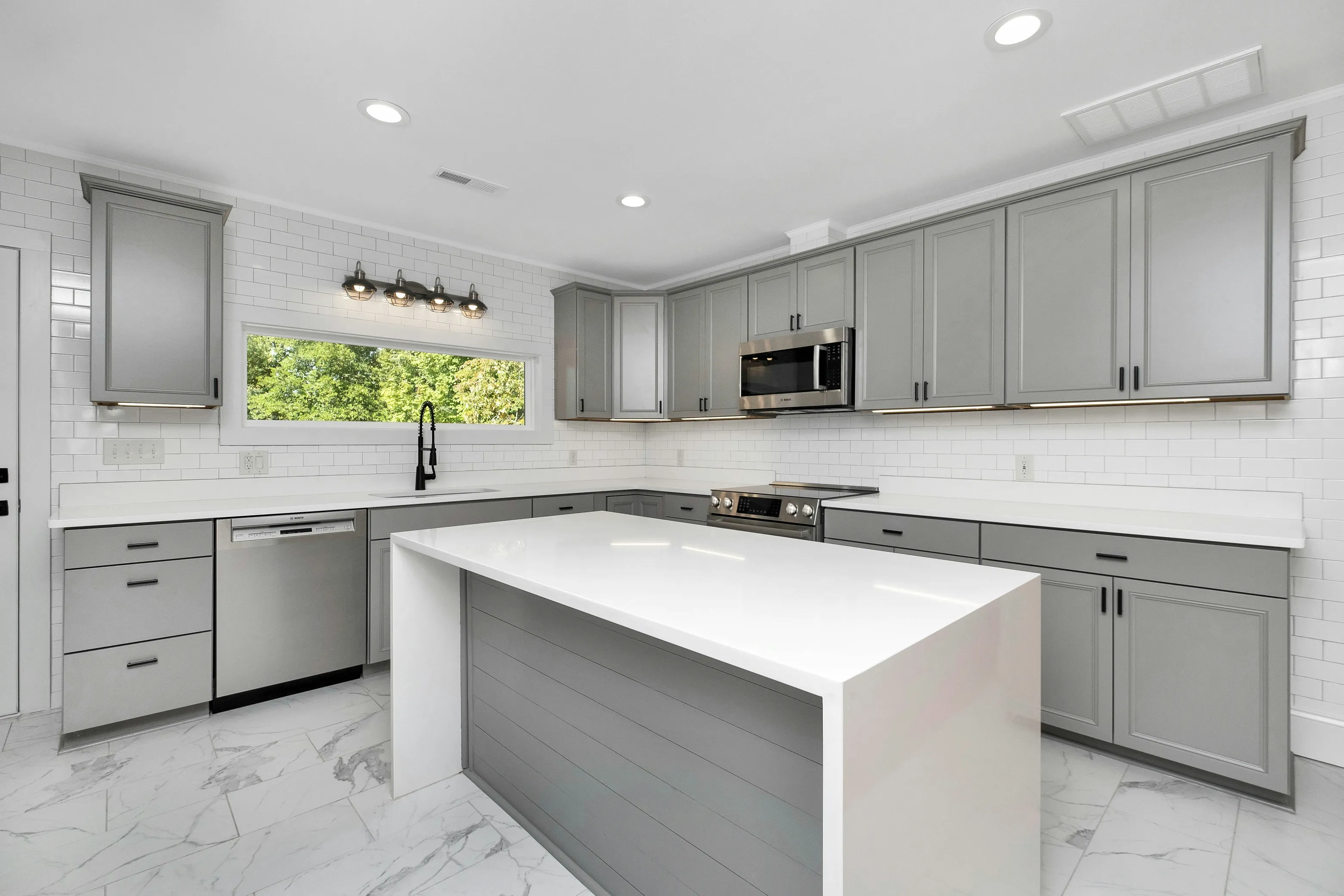
Face Frame Resurfacing
To ensure the new doors match the existing cabinet boxes perfectly, the exposed face frames, side panels, and toe kicks undergo an intensive refinishing process. This requires deep chemical cleaning to remove decades of cooking oils, followed by mechanical sanding. Applying industrial spray coatings directly to these stationary elements ensures a hard, uniform finish without the visible brush strokes left behind by standard residential house paints.
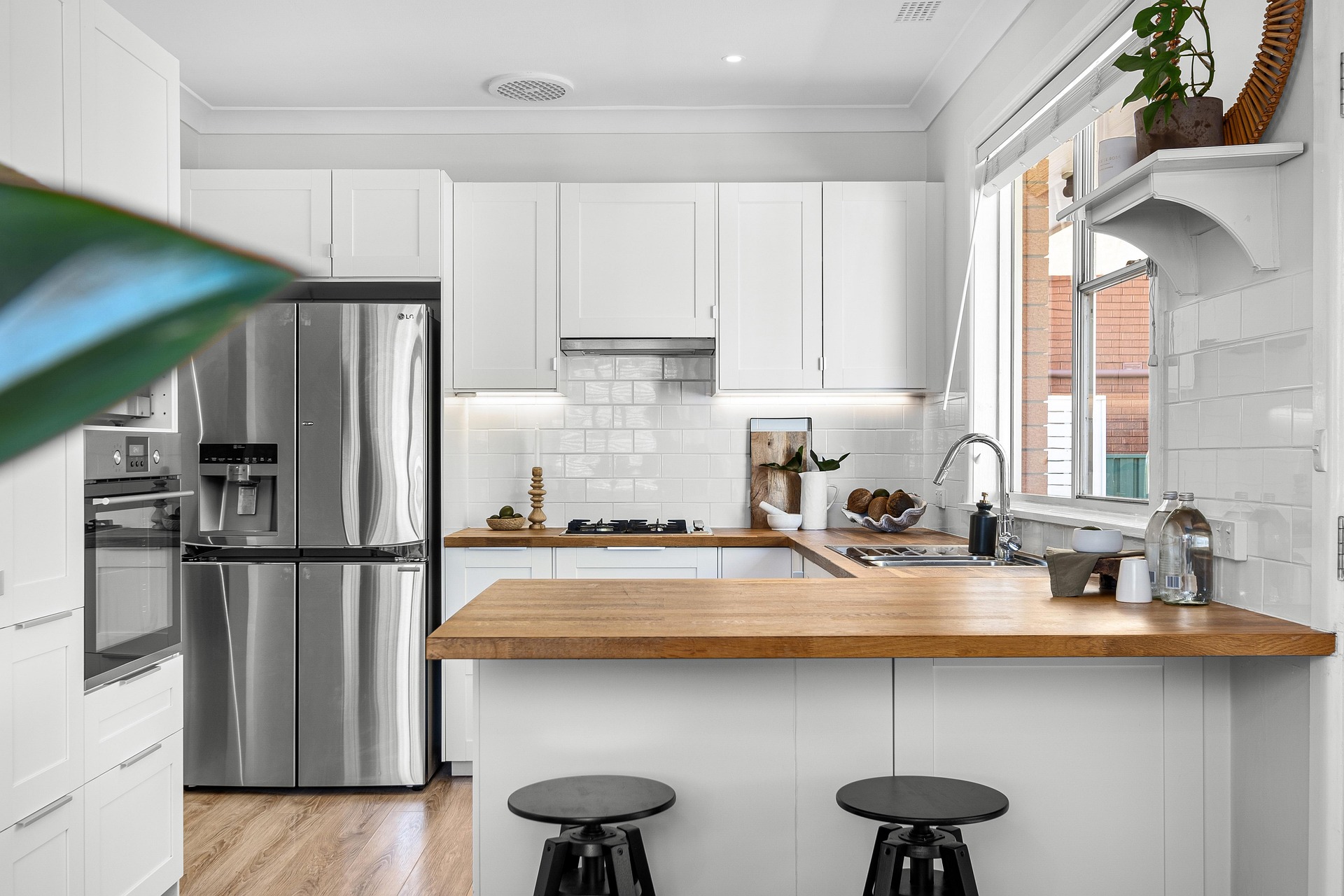
Hardware Upgrades and Modifications
Refacing provides an opportunity to resolve mechanical frustrations. Old, exposed hinges are replaced with modern, concealed soft-close models that prevent doors from slamming against the frames. Sticking wooden drawer glides can be swapped for modern under-mount steel tracks. In some cases, structural modifications are made, such as converting a base cabinet with lower doors and fixed shelves into a deep, heavy-duty drawer bank for pots and pans.
Styles, Materials & Finish Options
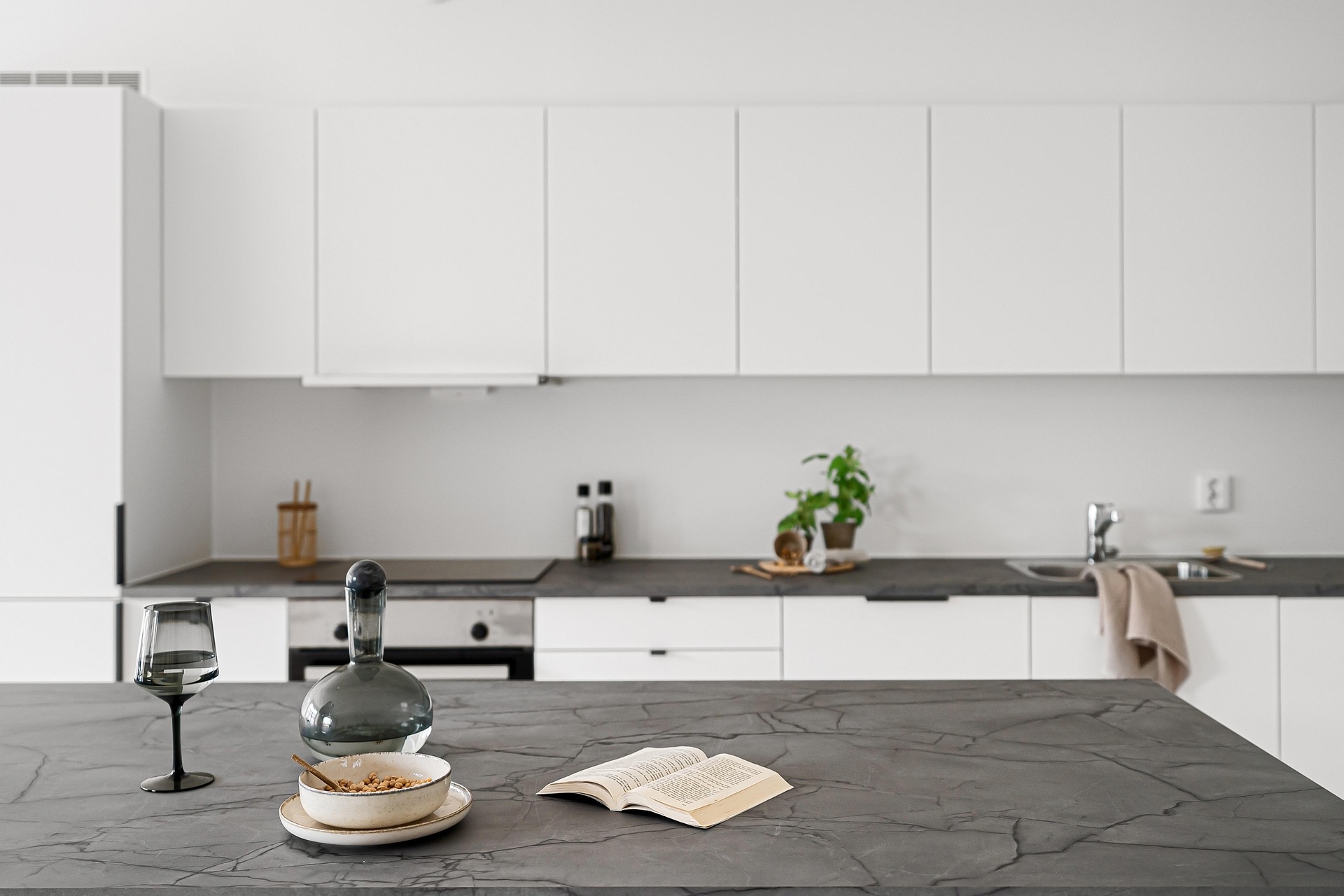
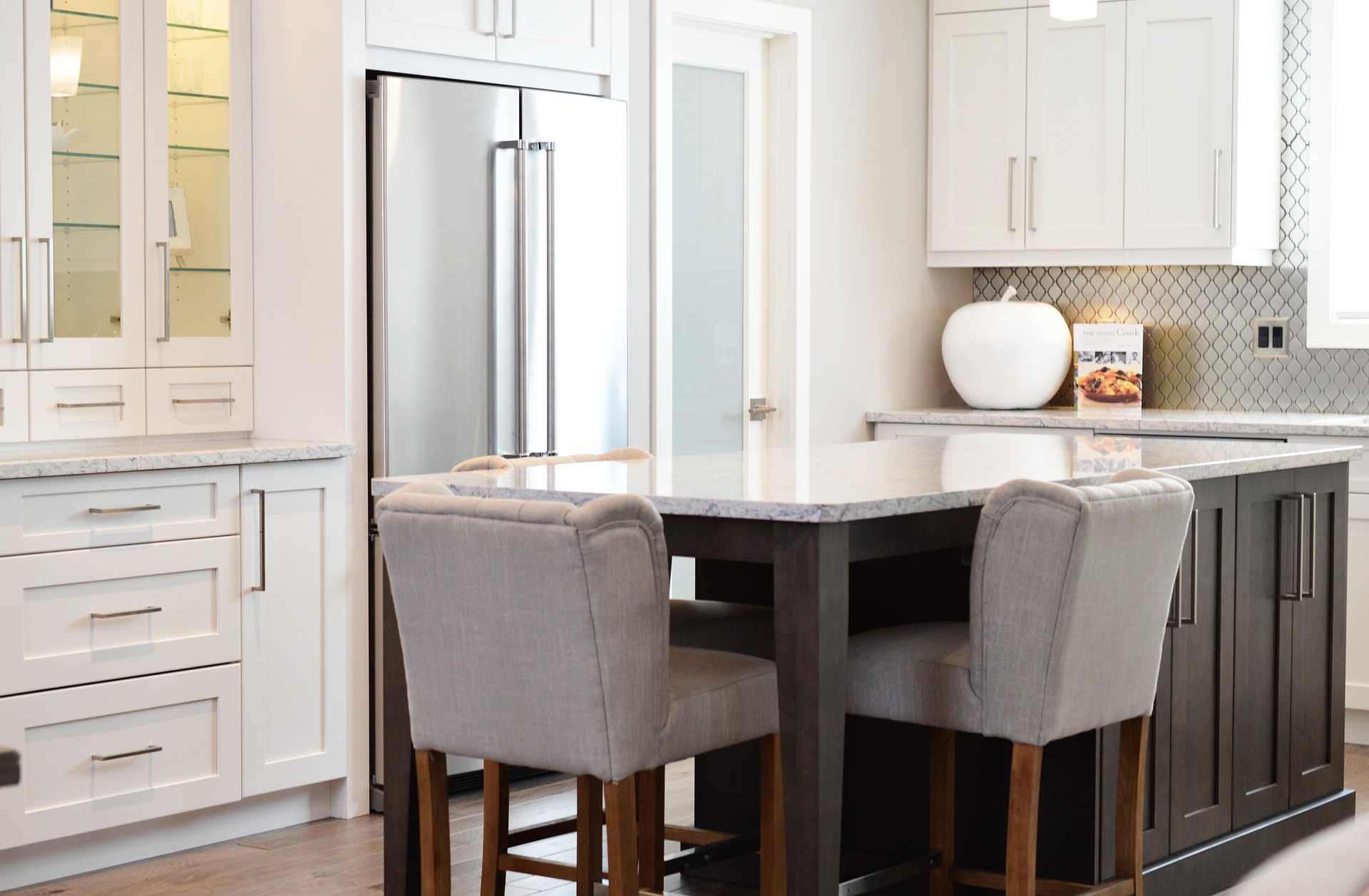
Updating cabinet fronts allows for complete aesthetic changes without altering the room's layout. Moving from heavy, raised-panel oak arches to clean, square Shaker door upgrades immediately modernizes a space. Finishing materials play a critical role; industrial spray coatings resistant to heat and coastal humidity outlast conventional acrylic paints. Applied in a controlled environment, moisture-curing conversion varnishes yield a furniture-grade shell that prevents chipping around high-traffic areas like trash pull-outs and utensil drawers.
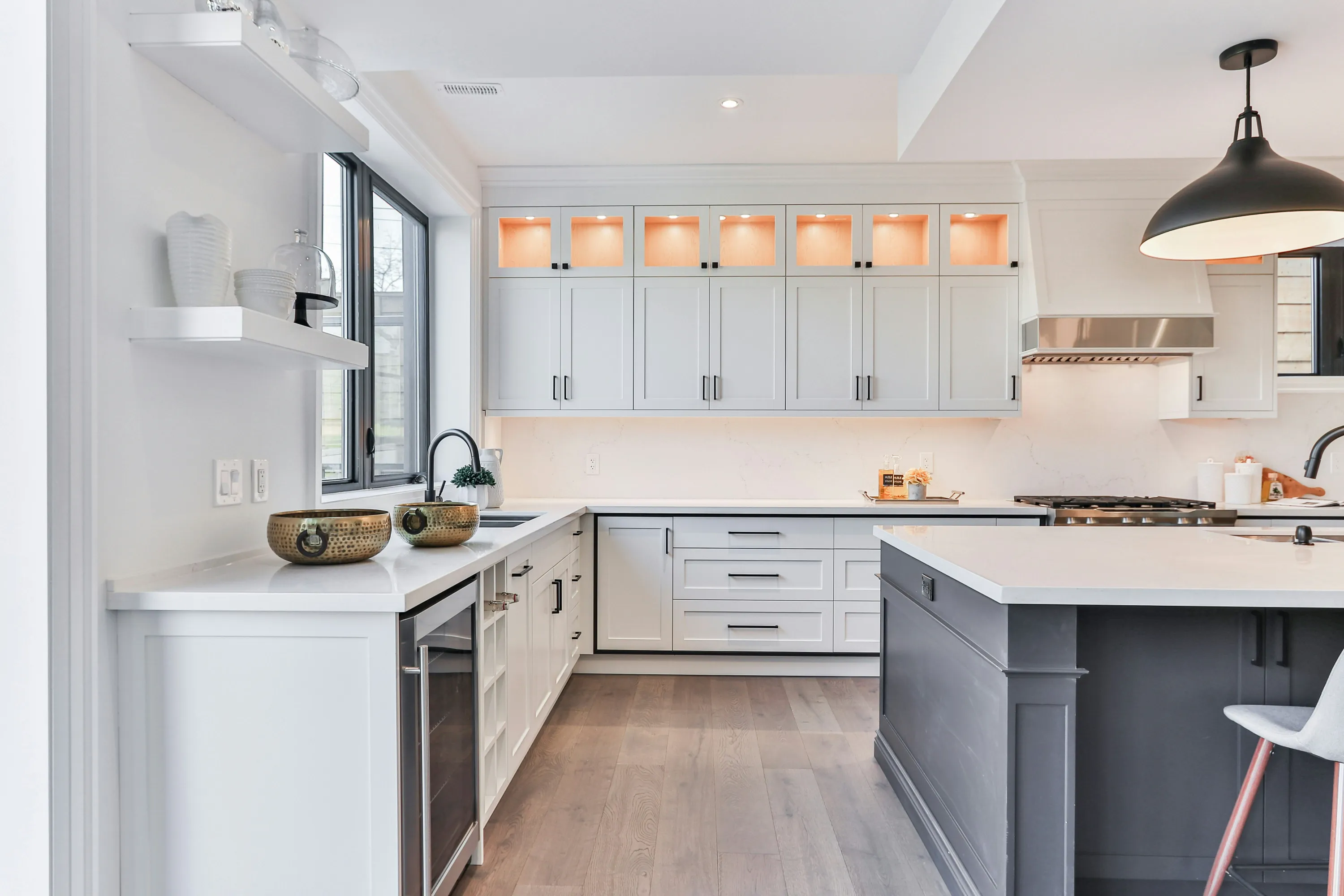
What to Look For in a Cabinet Maker
Coating Type
Check the written estimate to verify the type of finish being used. Standard latex house paint remains soft and peels easily in kitchens. Look for specific mentions of conversion varnish, 2K polyurethane, or catalyzed lacquers.
Application Method
Ask how the on-site frames will be painted. Rolling and brushing leaves heavy texture. Professional refinishers use High Volume Low Pressure (HVLP) or air-assisted airless sprayers for a factory-smooth finish.
Door Material Specs
If painting the cabinets, ensure the quote specifies paint-grade materials like maple or HDF for the new doors. Heavy-grained woods like oak require intensive grain-filling procedures to look smooth under paint.
Proof of Insurance
Verify that the contractor carries active liability insurance. Refacing requires aggressive chemical solvents and spray equipment inside your home.
What Affects the Cost
The cost of a refacing or refinishing project is primarily driven by the number of doors and drawer fronts in the kitchen. Replacing 40 individual fronts requires significantly more material, fabrication time, and hardware than a small galley kitchen with 15 openings. The condition of the existing face frames also impacts the budget; frames that have been heavily water-damaged or chewed by pets require extensive epoxy patching and sanding before they can accept a new finish.
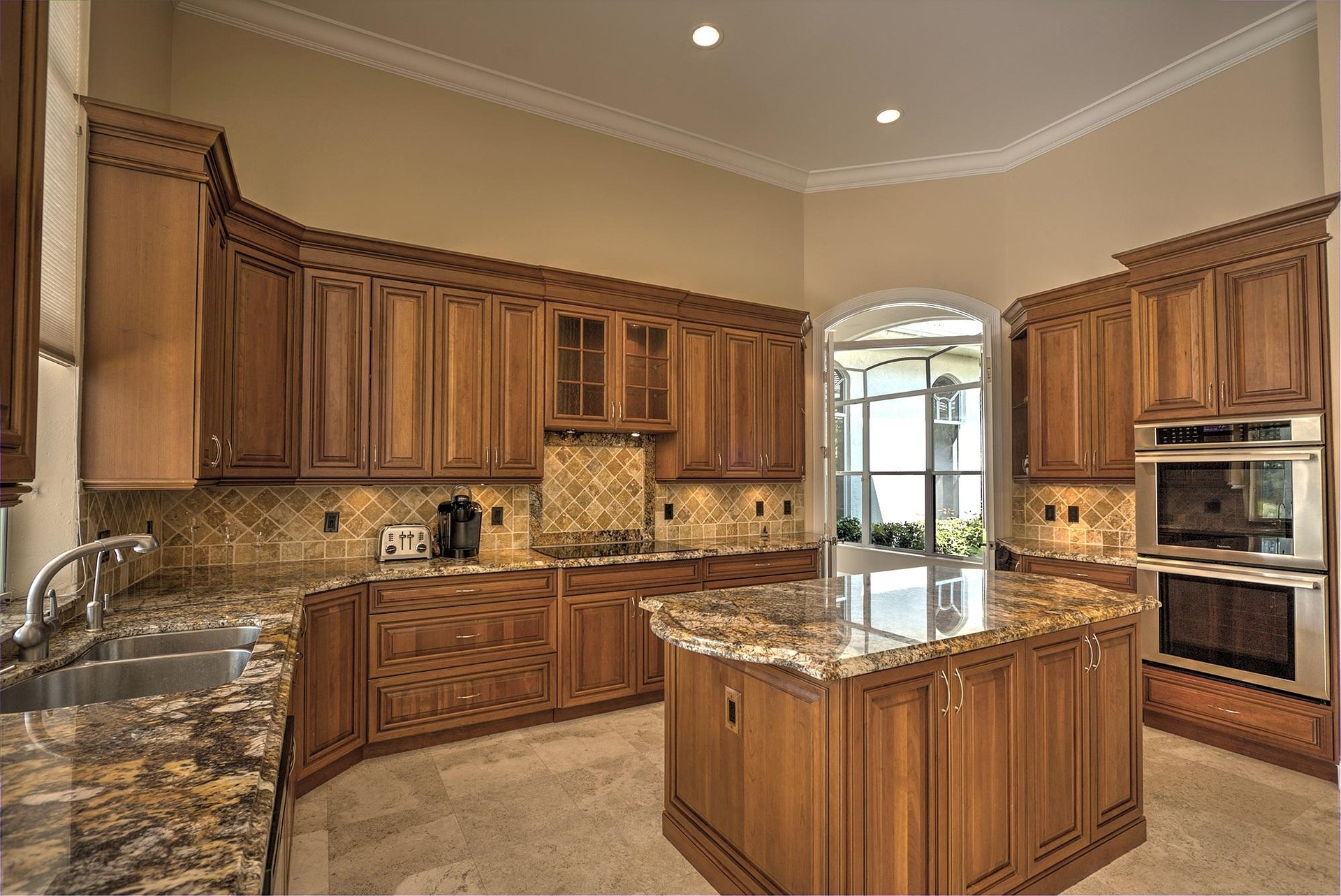
Moving from a dark, heavily grained stained wood to a smooth, bright white painted finish is labor-intensive. It requires applying stain-blocking primers and multiple coats of high-build surfacer to hide the deep oak grain. Modifying the underlying boxes—such as cutting down a cabinet to accommodate a wider refrigerator or converting standard lower doors into large pull-out drawers—will also increase the final scope of the project.
FAQ SECTION
Request a Refacing Quote Today
Call (956) 692-1552 to request a refacing quote or upload current kitchen photos via the web form.