
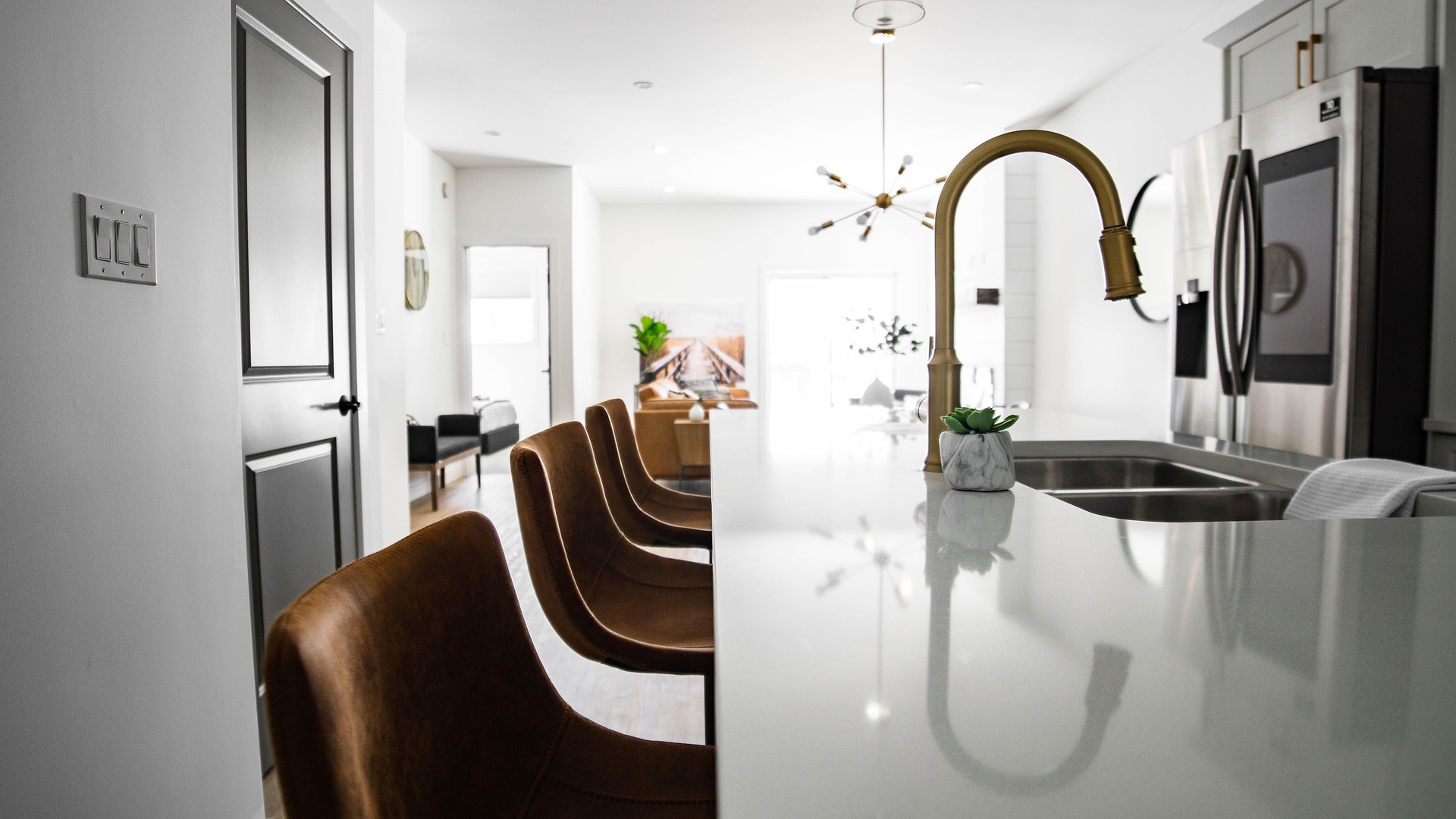
Humidity-Proof Materials Guide in Brownsville, TX
Selecting the correct materials for residential cabinetry dictates how long the installation will survive the constant moisture swings of the Rio Grande Valley climate. Standard factory composites rapidly break down in high-moisture environments, making structural marine-grade cores and catalyzed finishes critical for lasting mechanical stability.
3/4-inch exterior-glue plywood core construction
Thermally fused laminates and solid hardwood face frames
Moisture-sealed conversion varnish topcoats
Quick Facts: Serving Rancho Viejo, South Padre Island, Harlingen, Los Fresnos, Olmito, Port Isabel, San Benito, Cameron Park, and Brownsville. Call (956) 692-1552 to discuss climate-durable cabinet materials for your home, or submit your project inquiry online.
Discuss Durable Cabinet Materials
Complete the form below to receive your project estimate.
The Situation: Humidity and Material Failure
The most common cause of early cabinet failure in South Texas is the aggressive ambient moisture profile of the Gulf Coast. In many residential kitchens and bathrooms, factory-built cabinetry relies heavily on medium-density fiberboard (MDF) or particleboard for the internal box construction. These composite boards consist of sawdust, wood shavings, and recycled wood fibers pressed together with standard urea-formaldehyde glues. When exposed to the severe Gulf Coast humidity levels typical of the region, the internal wood fibers act like a sponge, drawing moisture directly from the air.
As the composite material absorbs moisture, it undergoes an irreversible process of swelling and delamination. Property owners typically first notice this failure when the paper-thin exterior veneers begin to blister and peel away near sinks, dishwashers, and stove vents. Structurally, the particleboard loses its density and begins to crumble. Because the structural integrity of the core is compromised, heavy stone or quartz countertops cause the weakened base cabinets to sag. Eventually, the metal screws holding the door hinges and drawer tracks pull completely out of the deteriorated wood, causing doors to hang unevenly and drawers to seize.
Preventing this cycle of failure requires cabinet humidity protection brownsville properties can rely on long-term. This means completely abandoning standard particleboard in favor of dense, 3/4-inch exterior-glue plywood and solid hardwoods. Because structural plywood utilizes cross-laminated wood veneers bonded with moisture-resistant adhesives, it maintains its rigid shape and holds mechanical fasteners securely, even in the most demanding, moisture-heavy environments.
How a Cabinet Project Works
Step 1: Material Specification and Environmental Assessment
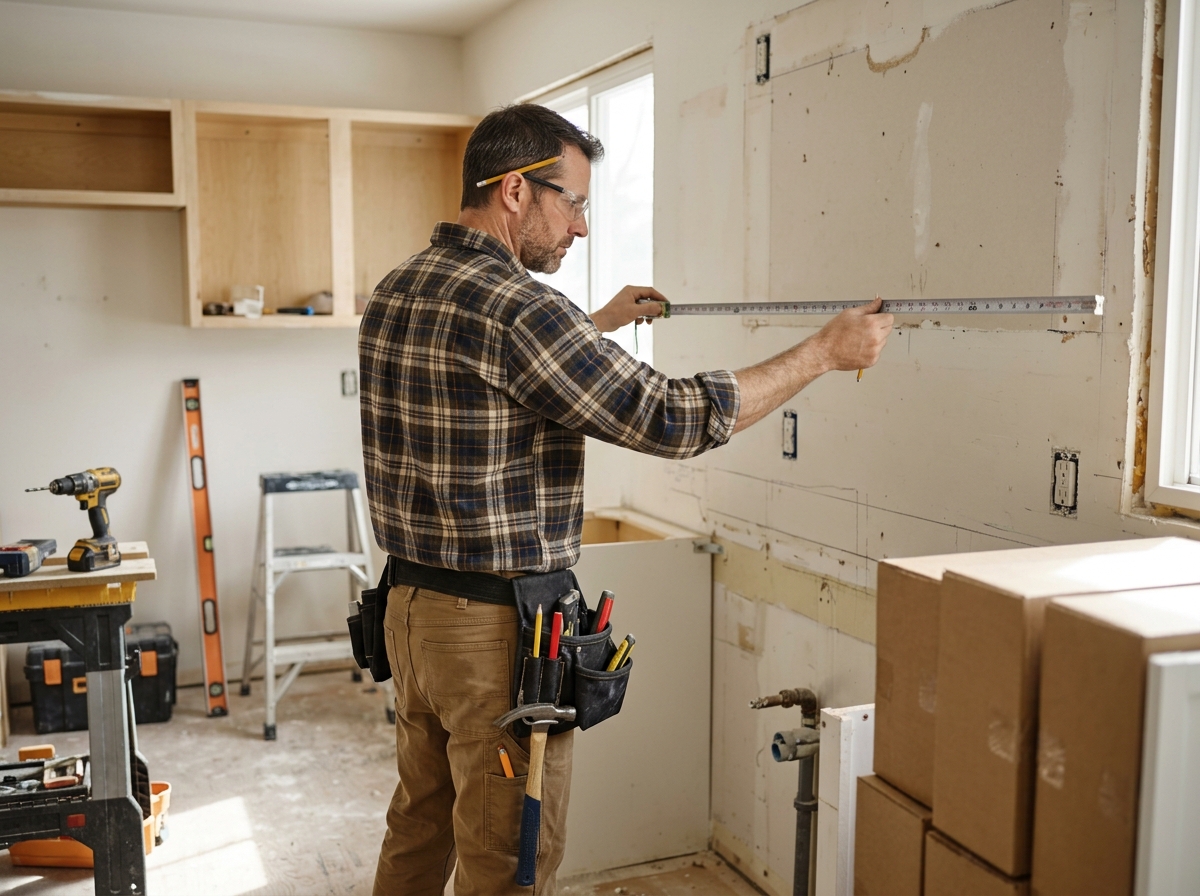
A professional assesses the target room’s specific exposure to moisture. Bathrooms, outdoor patios, and coastal kitchens all require different structural materials. During this phase, exact material layers are specified—such as choosing marine-grade plywood for sink bases and solid wood for face frames—to ensure the final product can withstand local atmospheric conditions.
Step 2: Core Fabrication and Mechanical Joinery
The cabinet boxes are fabricated using rigid 3/4-inch plywood rather than staple-bound composites. To maximize strength and prevent the joints from loosening over time, the boxes are assembled using mechanical joinery, such as dado cuts, pocket screws, and heavy-duty blind mortises. Drawer boxes are built using interlocking dovetail joints to handle heavy repetitive loads without the glue failing.
Step 3: Edge Banding and Finish Application
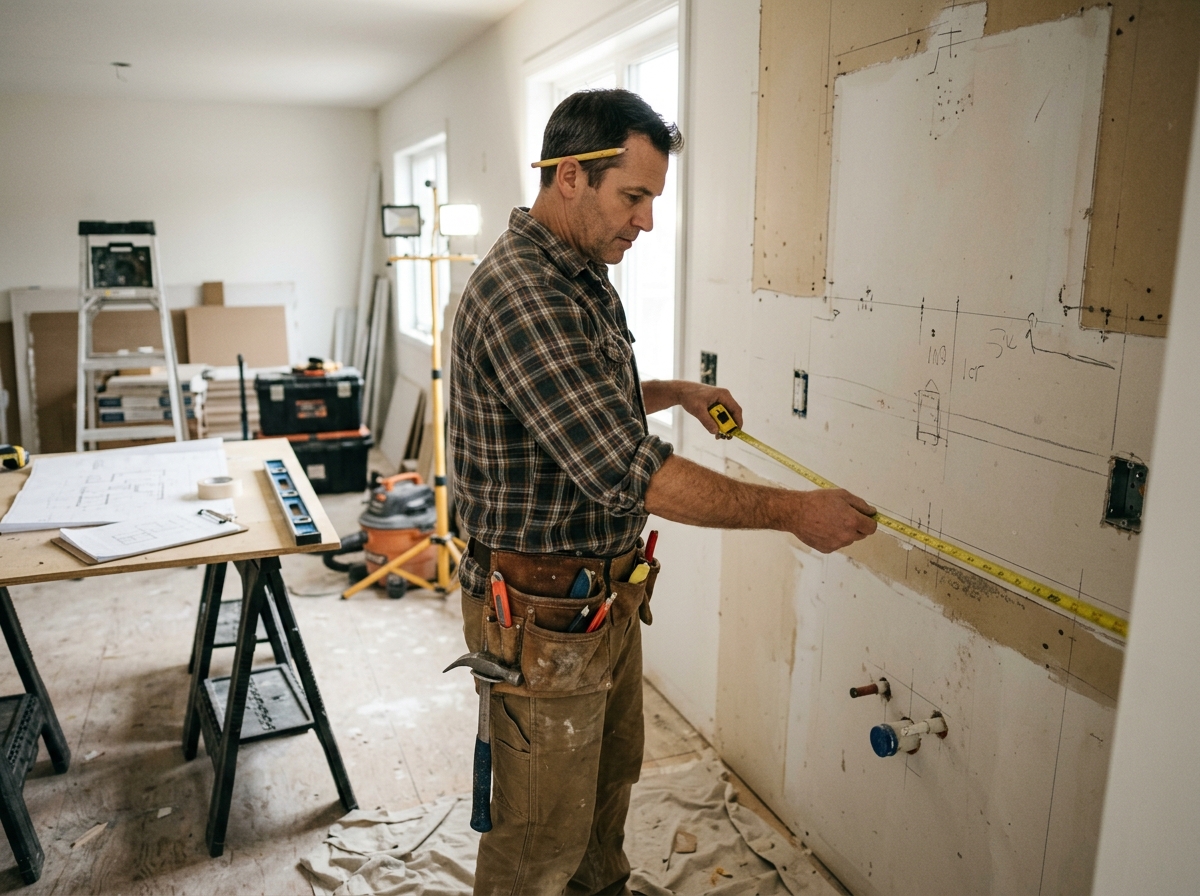
Before final assembly, all exposed raw wood edges are mechanically sealed to block moisture penetration. The exterior doors and face frames receive a specialized finish, such as a catalyzed conversion varnish. This industrial coating is applied in a controlled spray booth and cures into a hard, non-porous shell that acts as a primary defense against ambient humidity, cooking steam, and surface spills.
Step 4: Delivery, Acclimation, and Installation
Once completely cured, the materials are delivered to the property and given time to acclimate to the home’s interior climate. During installation, the base units are meticulously leveled using composite shims to ensure heavy countertops sit perfectly flat. Side panels are scribed flush to the walls, eliminating the gaps where dust, mold, and trapped moisture might otherwise settle.
Ready to Build With Durable Materials?
Call (956) 692-1552 to discuss climate-durable cabinet materials for your home, or submit your project inquiry online.
What This Service Typically Covers
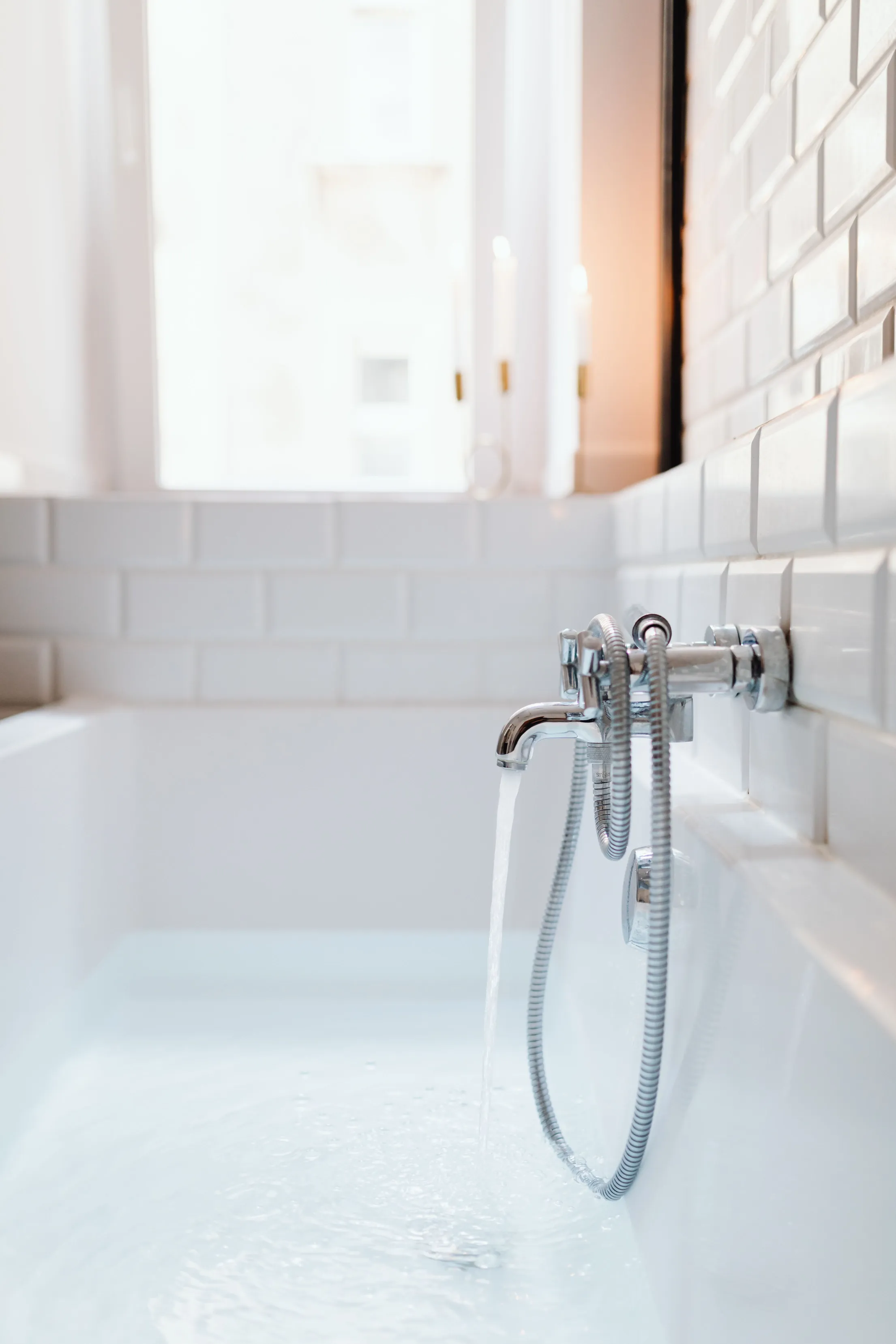
Sink Bases and Wet-Zone Cabinetry
The cabinets positioned directly beneath kitchen sinks and bathroom plumbing face the highest risk of acute water damage from minor leaks and condensation. Upgrading these specific zones involves fabricating the cabinet floor and side panels entirely out of marine-grade plywood. This specialized core prevents the bottom of the cabinet from warping, expanding, or rotting if a P-trap leaks, keeping the structural frame completely intact.
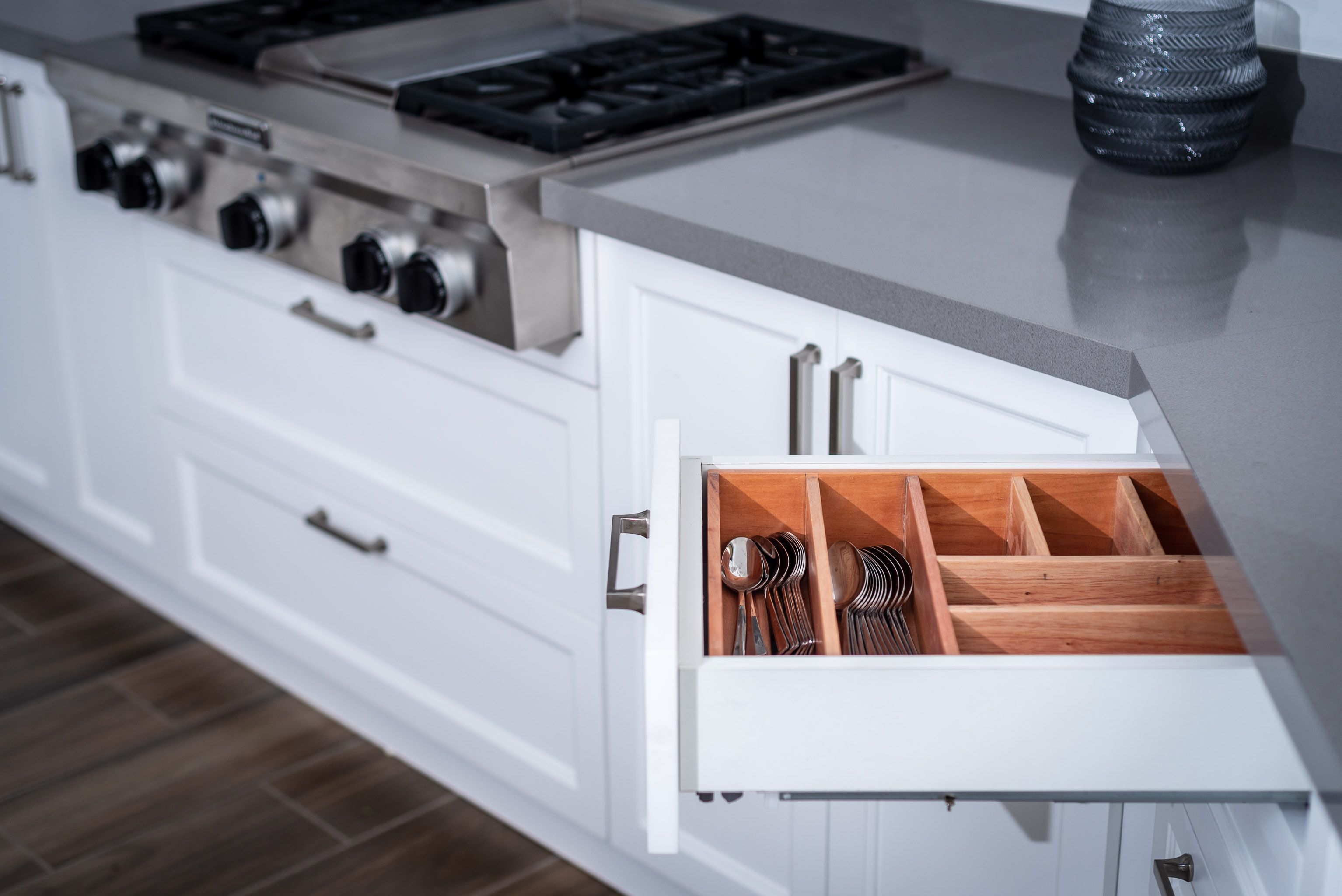
Heavy-Duty Drawer Box Upgrades
A heavily loaded drawer acting on swollen or damaged side panels will quickly destroy standard hardware. Upgrading the mechanical function of a kitchen involves replacing stapled particleboard drawers with solid 5/8-inch hardwood or 9-ply birch boxes. Joined with dovetails and mounted on heavy-duty, zinc-coated steel under-mount glides, these systems handle extreme weight and resist the mechanical binding caused by high coastal humidity.
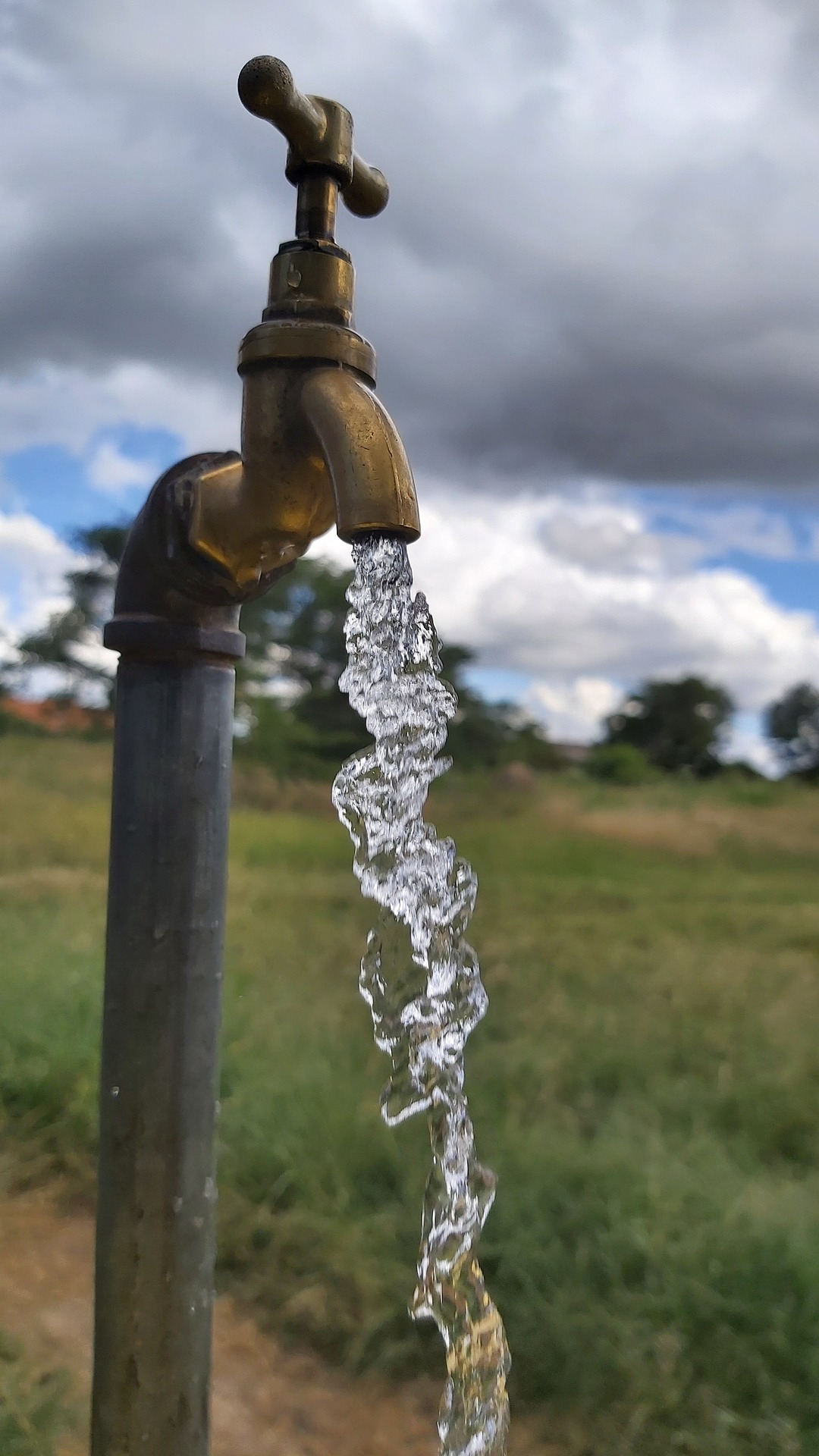
Exterior and Patio Storage Stations
For outdoor kitchens built in the Rio Grande Valley, even standard plywood is insufficient to combat the elements. Fabricating cabinetry for these exposed environments requires specialized non-combustible metals and polymers. High-density polyethylene (HDPE) or 304 marine-grade stainless steel are utilized to construct base units that will never absorb water, preventing the rust, rot, and splitting associated with standard lumber exposed directly to rain and sun.
Styles, Materials & Finish Options
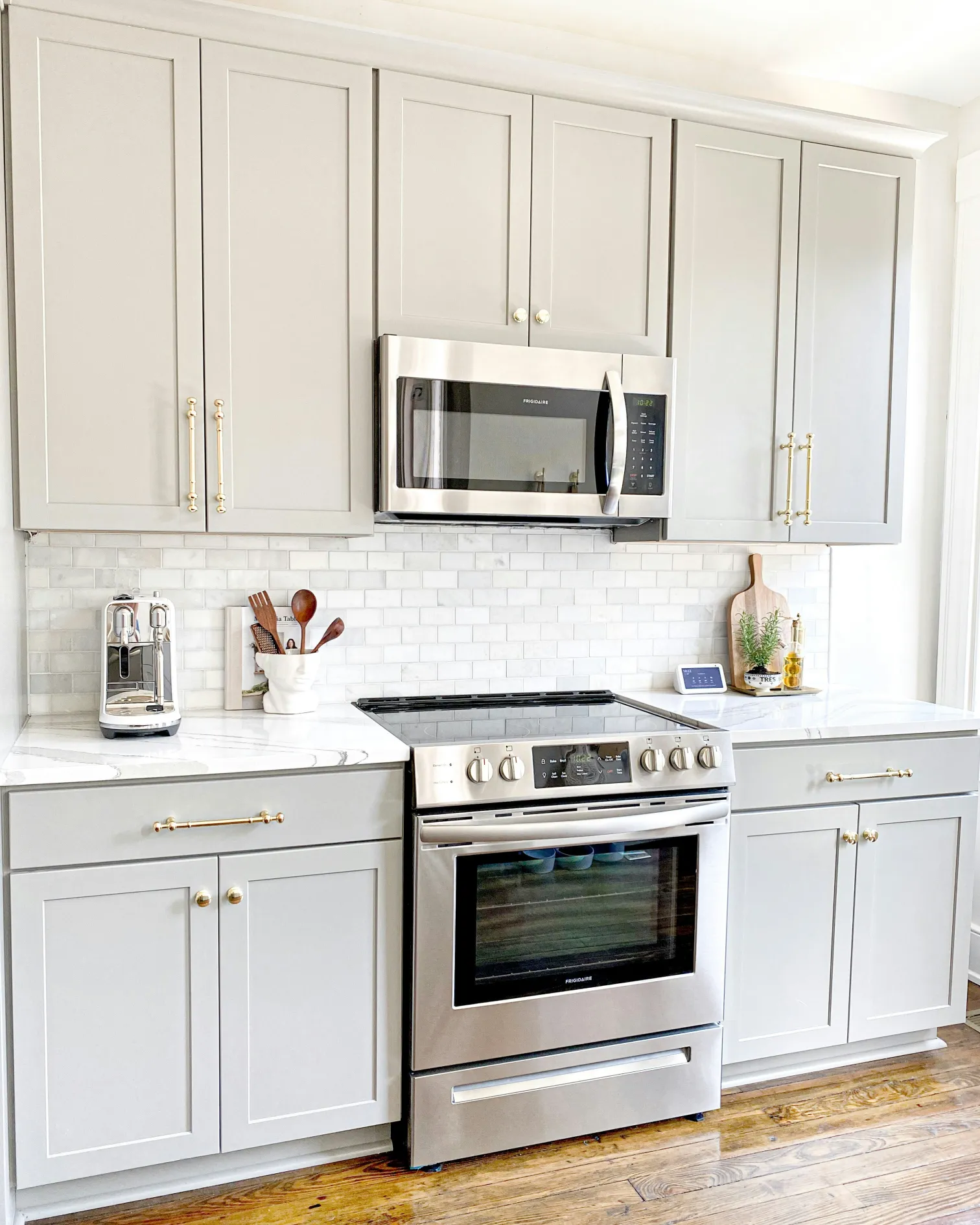
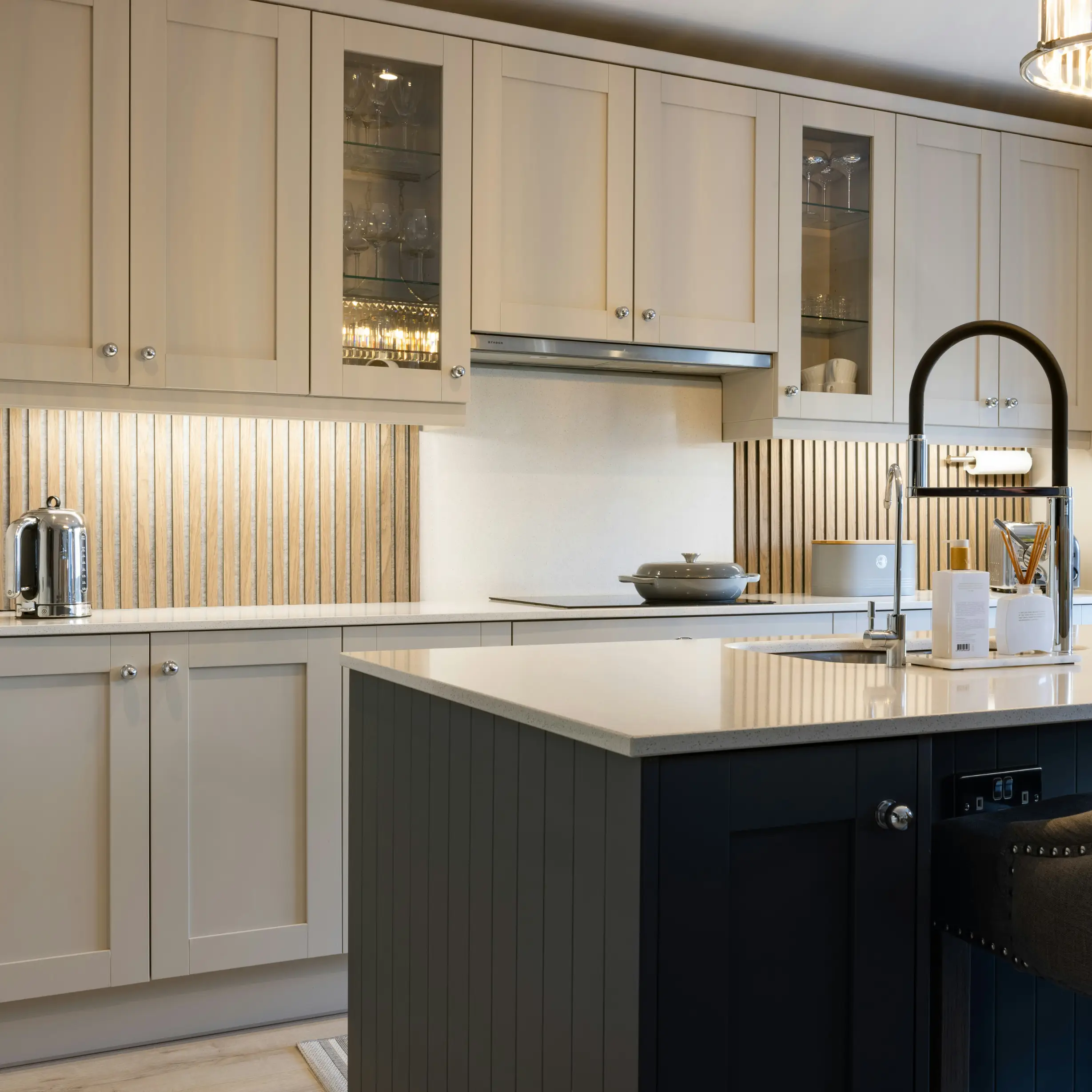
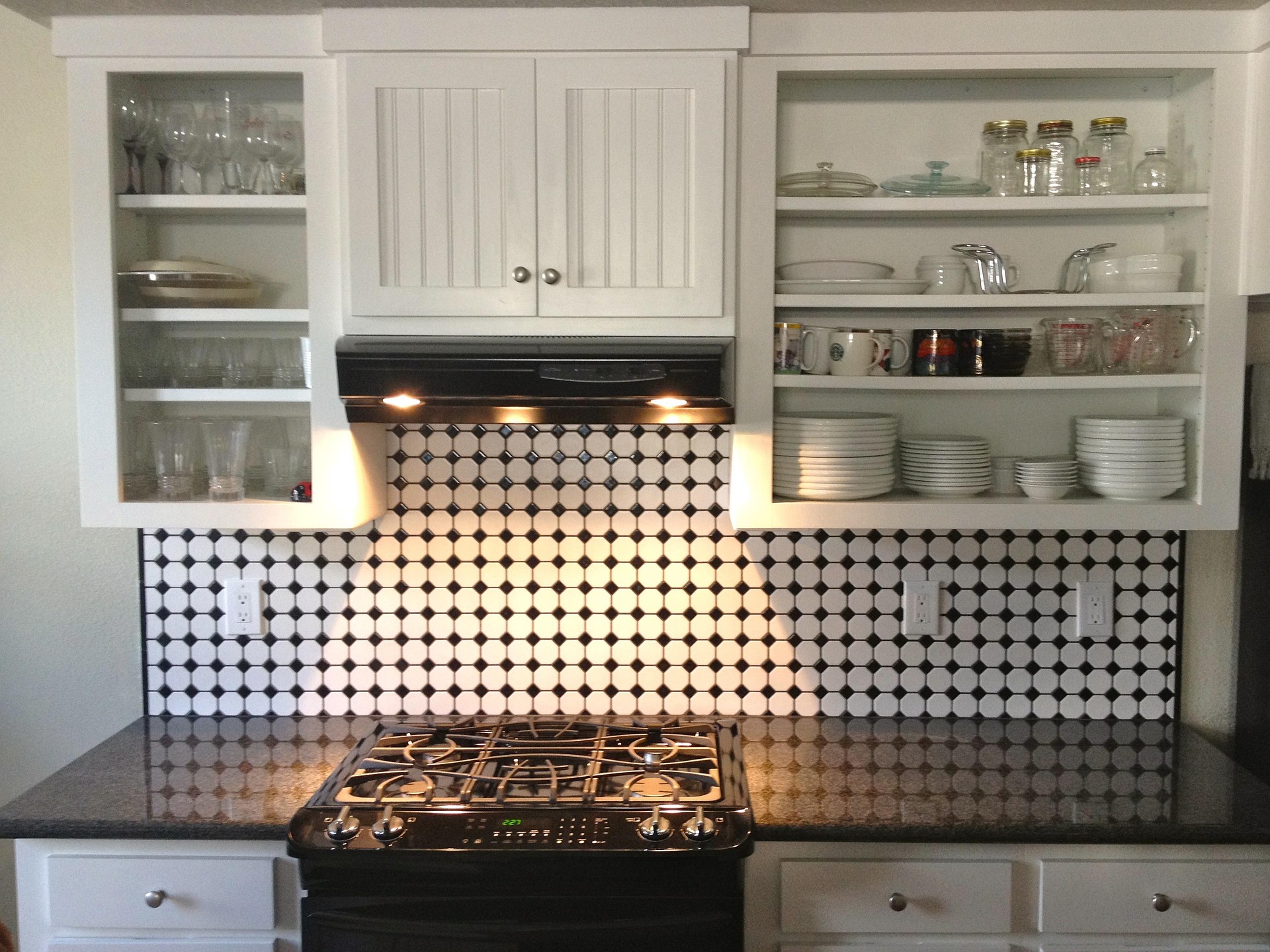
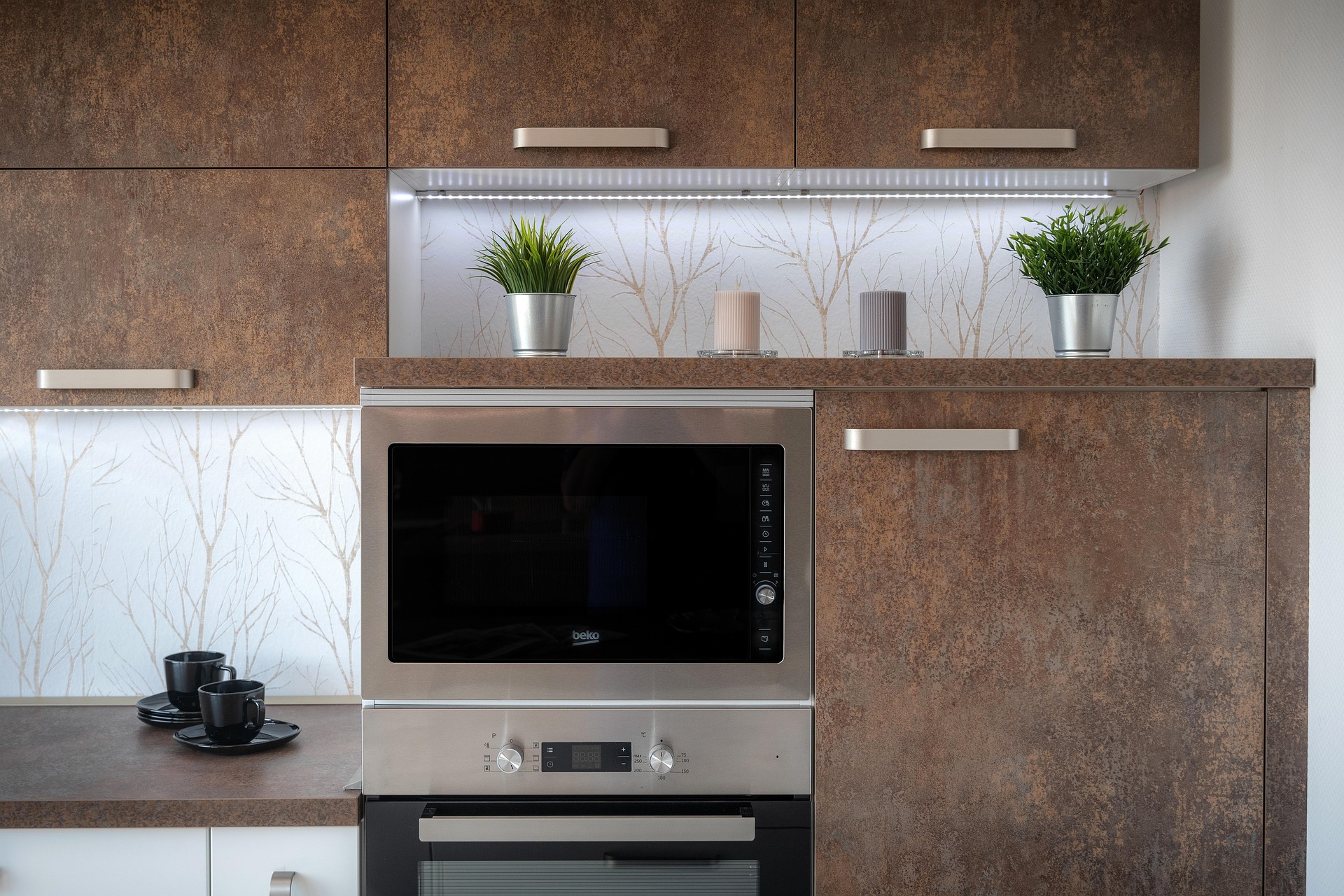
The aesthetic options for moisture proof kitchen cabinets south texas homes require do not have to be limited by structural demands. Whether utilizing flat-panel designs or traditional five-piece Shaker doors, the key is the protective coating. Painted finishes require high-grade, moisture-sealed conversion varnish topcoats that will not turn yellow or gummy in the heat. For natural wood aesthetics, tightly grained hardwoods like maple or white oak are preferred over highly porous woods. For modern, ultra-flat European designs, thermally fused laminates (TFL) applied over stable plywood cores offer a seamless, completely waterproof exterior face that mimics natural wood without the maintenance.
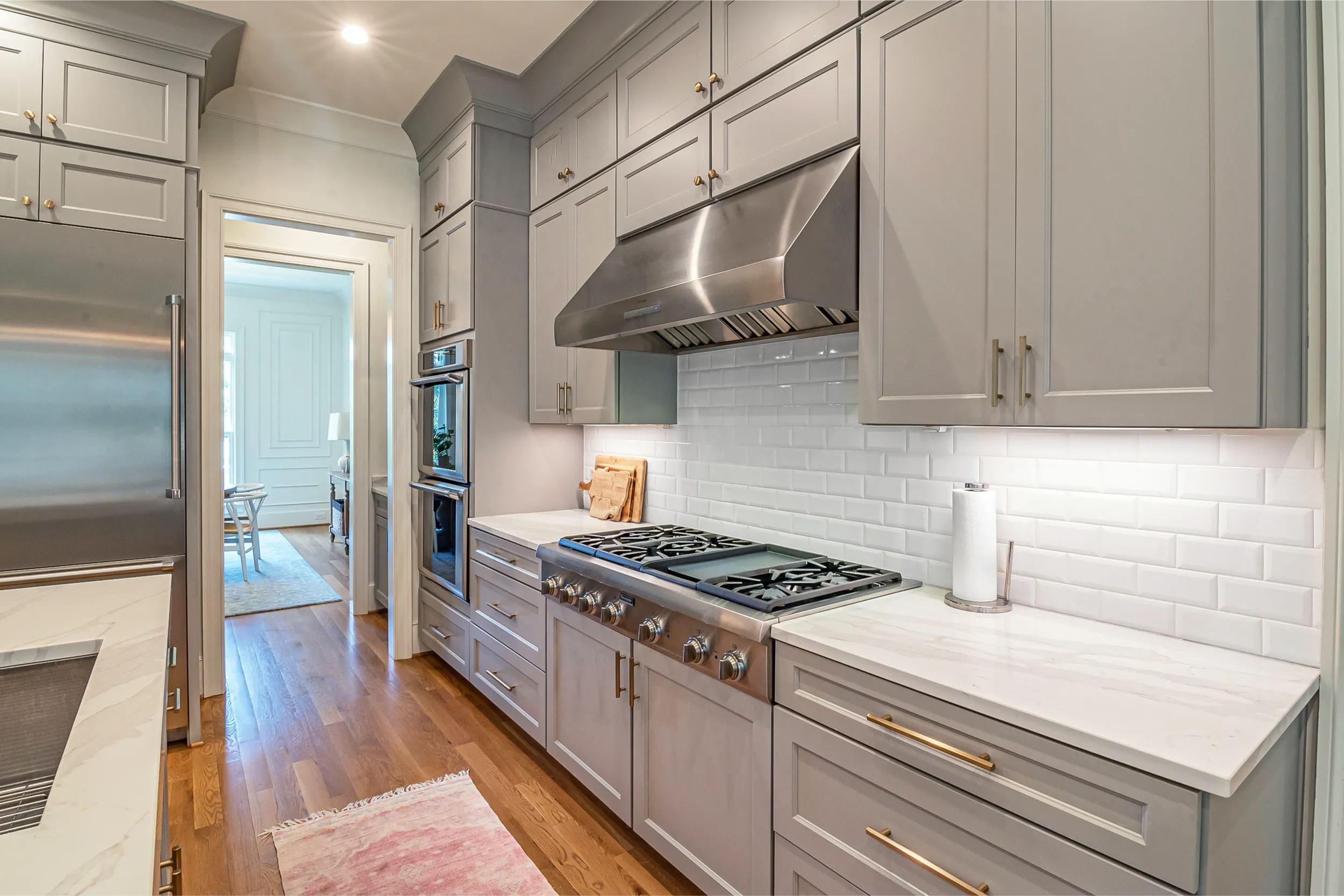
What to Look For in a Cabinet Maker
Box Material Specifications
Ensure the itemized quote explicitly lists the type of core material being used for the cabinet boxes. A qualified professional will specify 3/4-inch plywood. Avoid proposals that vaguely list "engineered wood" or "furniture board," which are industry terms for moisture-absorbent particleboard and MDF.
Edge Banding Quality
Check how the exposed edges of the interior shelves and boxes are finished. They must be edge-banded utilizing waterproof hot-melt adhesives or PUR glue to block ambient steam from penetrating the wood core.
Finish Type
Ask specifically what chemical coating is applied to the doors. Standard residential latex paint remains soft and peels easily; look for industrial coatings like 2K polyurethane, catalyzed lacquer, or conversion varnish.
Hardware Corrosion Resistance
Verify that all metal hardware, including hinges, shelf pins, and drawer tracks, are zinc-coated or stainless steel to prevent rust and seizing in high-humidity areas.
What Affects the Cost
The total financial investment required for humidity-proof cabinetry depends heavily on the grade of plywood and the specific wood species selected for the exterior doors. Marine-grade plywood, which features void-free internal layers and fully waterproof structural adhesives, carries a significantly higher raw material cost than standard interior-grade plywood. Similarly, fabricating solid wood face frames out of premium hardwoods like walnut or cherry will increase the budget compared to using paint-grade materials like soft maple or rigid high-density fiberboard (HDF).
The complexity of the finish also dictates the final price. Applying a catalyzed conversion varnish requires extensive prep work, negative-air spray booths, and specialized breathing equipment for the operator, making it much more labor-intensive than brushing or rolling standard house paint. Finally, integrating high-end mechanical hardware—such as heavy-duty stainless steel soft-close glides rated to hold 100-plus pounds—adds to the upfront material cost but prevents the need for future hardware replacement due to rust or structural failure.
FAQ SECTION
Secure Your Cabinetry Against the Climate
Call (956) 692-1552 to discuss climate-durable cabinet materials for your home, or submit your project inquiry online.